


13 May 2026
Key takeaways from last week’s Bankhall/PMS Conference & Awards
Last Wednesday, hundreds of advisers who work with the PMS Mortgage Club and Bankhall joined together at The VOX in Birmingham for a day jam-packed with information and insight.
For those of you who were unable to attend, or simply if you were there but missed a session for one reason or another, we’ve pulled out just a handful the key takeaways from the day:
David Whittaker, CEO of Keystone Property Finance started the day by pulling no punches during his assessment of the economic context that we’re all operating in, outlining the heroes, villains, winners and losers of the current Iran conflict.
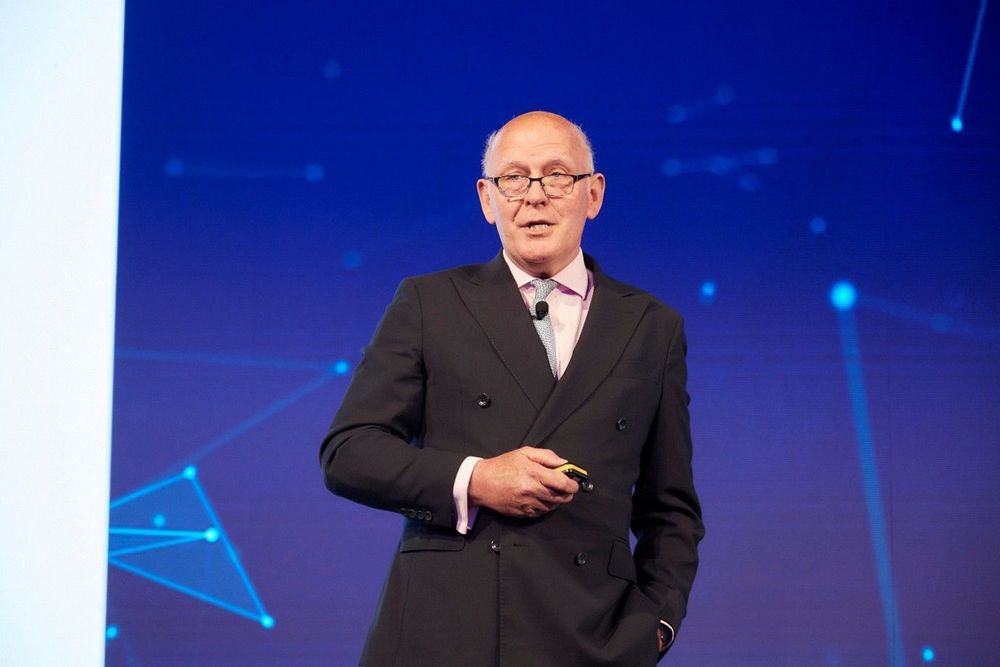 He outlined some key people to follow if you want to stay ahead of the game, including Rob Wood, the chief economist at Pantheon. He started at the Bank of England as part of their graduate entry scheme in 2000. Two other names who entered the same scheme at the same year will catch your attention: Jeremy Hunt and Rachel Reeves, two recent Chancellors of the Exchequer.
David believes Rob gets it right more often than others, when it comes to the right thing to do for the nation’s economy.
During our in-depth session on AI’s role in advice, Karl Griffin — a former adviser who is now building a native AI firm for the mortgage industry — explored the potential the technology offers you to save time on admin, and give that time back so you can spend more of it talking with customers.
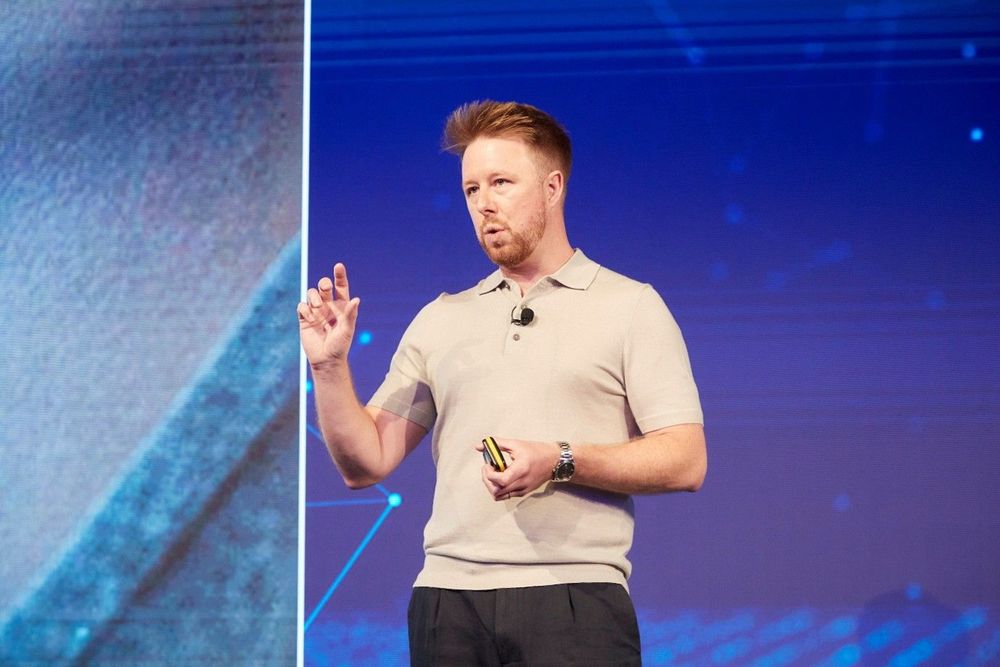
He shared an insightful analogy that compared advisers to midwives; Karl is a new dad, and while his wife was pregnant, they turned to ChatGPT for basic information and explainers. This meant they were able to maximise antenatal classes by asking better questions to their midwife, while still needing the midwife to do their job.
Karl envisions a future in which clients come to advisers armed with more information, but in which the adviser always remains the most trusted source.
We rounded out the morning session by seeing PMS’s newly appointed Director of Key Accounts, Richard Goppy, host a fireside chat with Steven Smith, the founder of Poundland, about how he created an empire worth £250m.
 Their wide-ranging chat covered a variety of topics, but Steven drew particular admiration from the audience when he shared how he’d kept himself grounded by continuing to work on the tills even as the business grew exponentially.
He explained that this was an invaluable way of getting feedback on his business’s performance from customers, and that when all seemed lost, he was only ever as good as the team around him.
As we reached lunchtime, we invited our guests to follow their own ‘Power Path’ by hosting a series of simultaneous sessions on a variety of niche topics.
At our session on ‘Selling your firm’, Gordon Flower of The Flower Group answered questions from the room about a variety of topics, but a recurring theme was how valuations are calculated.
In short, profitability and ongoing revenue (such as taking protection commission on a continuing basis) are key drivers of increased valuations, as are high-quality files that protect against future litigation. And with due diligence on transactions totalling around 250 questions (and around half of these relating to compliance), it was outlined that the value of having robust policies and processes in place couldn’t be overlooked.
At our session on ‘Making protection natural’, Adviser Learning Partner Marie Blake communicated the importance of integrating protection into mortgage conversations from the start, with the two products becoming intertwined and indivisible.
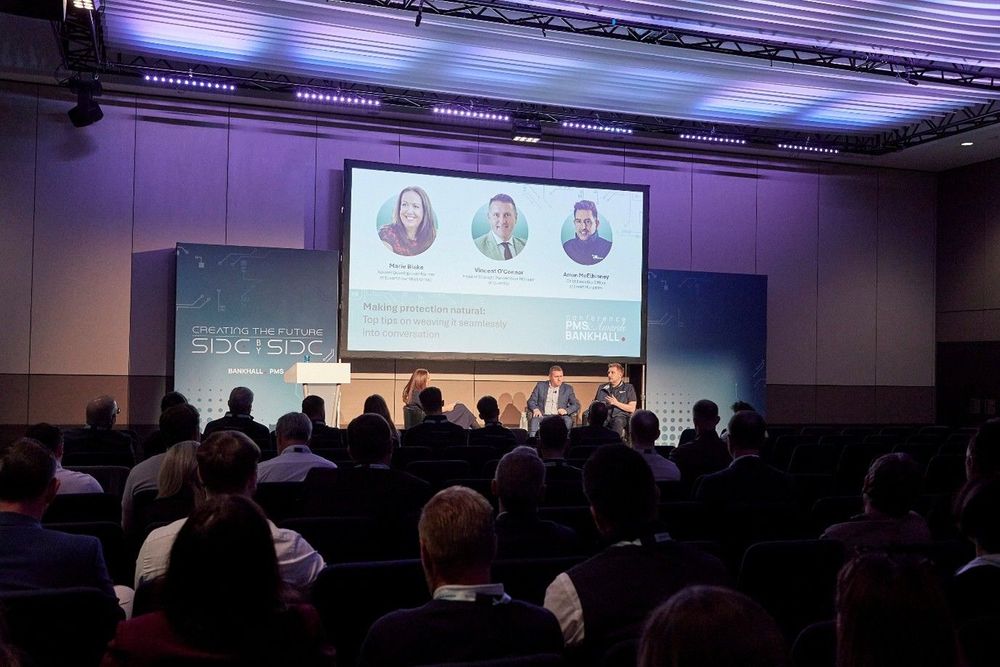 While 82% of advisers say they mention protection, Marie pointed out “there is a big difference between mentioning and advising”, which is perhaps why only 37% of clients recall hearing about protection.
As a result, advice needs to feel personalised and protection should not feel like a separate topic, but essential to the act of borrowing the large sums typical of a mortgage. If you do this, you won’t feel like you’re pushing it or forcing it on people. Key to this is really believing in what you are recommending: use examples of real customers who have needed to claim wherever you can.
A room full of people no doubt responsible for their firms’ compliance listened to a panel on ‘Staying ahead of regulatory change’ that included Sesame Bankhall Group’s Head of Risk & Compliance Hannah Soulsby. She outlined her observations that the regulator is becoming more data-led, and asking for more data from firms.
It was for this reason that she implored people in the room to ‘look in the corners’ to consider what they may not be monitoring (but perhaps should be), as well as interrogating existing MI to look for what might be hinting at poor customer outcomes.
Hosted by Strategic Relationship Manager Dominic Hodge, our session on ‘Lenders’ future market insights’ explored how lenders assess risk, shape their product ranges, and prepare for future market shifts.
Here we learned from Halifax’s Jo Brown that what we’re seeing with interest rate changes on mortgages is the result of a weighted average of guesses on whether the current crisis in the Middle East will be resolved in the short term or is a longer conflict.
At our insightful session on ‘The evolving nature of IHT planning’, our audience heard how IHT receipts have tripled since 2009, and thanks to recent changes to inheritance tax rules are expected to rise by a further 50% in just the next five years.
Our panellists explained that this will drive more people than ever to seek advice, and that advisers need to build connections with one another so they can make trusted referrals — because buying a home or taking out a protection policy is likely to ultimately lead to the accumulation of wealth, and clients will naturally want to pass that onto their family or other loved ones.
Remember you can learn more about wealth planning at our upcoming Wealth Development Days tour, which runs throughout June and will take in 8 stops across the country. Bookings are open now.
Our session on ‘The new normal’ explored how changing borrower behaviour, modern employment patterns, and the broad variety of routes to purchase in modern Britain have made specialist lending a core part of advice in 2026.
Rather than being a niche or future trend, specialist lending is being embraced by successful brokers who have integrated it into their regular toolkit. Bridging finance is one of the fastest-growing specialist propositions and is increasingly being seen as a strategic tool (e.g. for property developers hoping to flip a property) rather than solely as a last-resort option.
Of particular interest is the buy-to-let market, which is evolving without declining; recent tax and regulatory changes have increased complexity, and the volume of buy-to-let transactions involving a Limited Company has quadrupled over the last 10 years alone.
To help advisers make the most of this often-underappreciated segment of the market, we’re introducing a new one-day event, Specialist Lending Unlocked, latest this year at the Heart of England Conference Centre near Coventry.
As we all headed back to the main stage, RKAM Toni Martin shared the devastating story of her young niece’s cancer diagnosis 18 months ago, and the impact that Children’s Critical Illness cover had for Toni’s sister and brother-in-law in being able to steer their family through the intense treatment.
This session focused less on the ‘how’ of advising on protection, but on the ‘why’, and its importance to policyholders as humans.
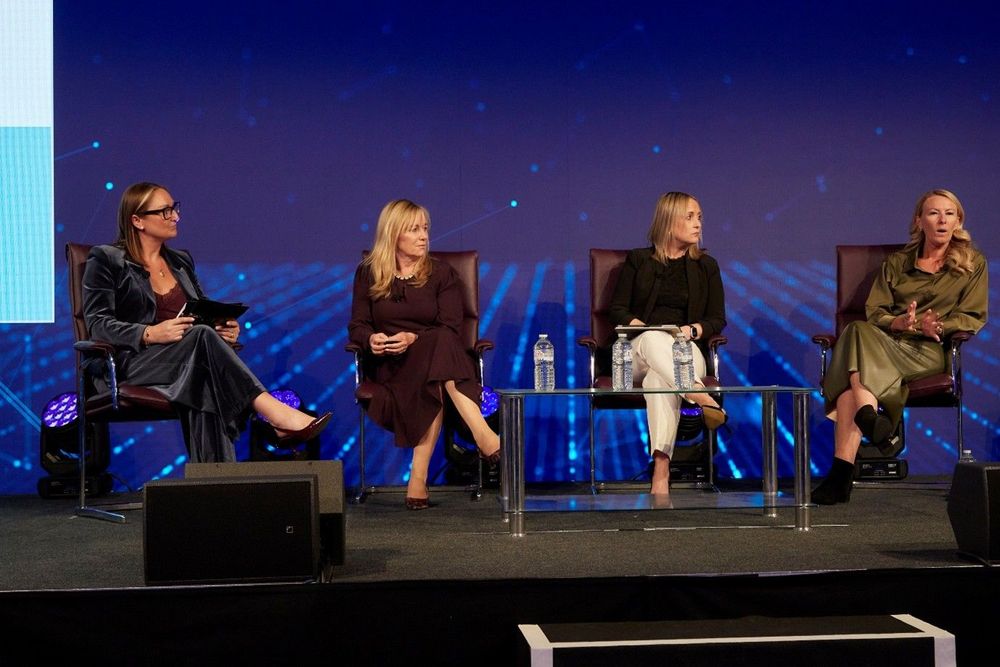
Joining Toni on the panel (hosted by fellow RKAM Natalie Pater) were Jo Pawson from New Leaf Distribution, who dropped a truth bomb that “people spend years building wealth, but some of us won’t spend a few minutes protecting it”.
Later, Tracy Gordon of Mortgage Required relayed how only strong file notes about a protection conversation that went nowhere had prevented the Financial Services Ombudsman from finding in favour of a Mortgage Required client who needed to claim, but ultimately found themselves without protection — evidence that saved Mortgage Required a six-figure payout.
At our Executive Panel facilitated by Head of Client Relationships Jane Reid, members of the Sesame Bankhall Group Executive team answered various questions about future plans for the PMS and Bankhall businesses.
One particularly prescient point was raised by People Director Rebecca Luter, on the changes introduced by the recently enforced Employee Rights Bill 2026.
Rebecca stressed how these raise operational and financial responsibilities for the employers in the room, and the need to update policies, payroll systems and HR procedures, while also emphasising new responsibilities about the prevention of sexual harassment by both staff and agents (like referral partners).
Our keynote speaker in the afternoon was Major Scotty Mills, the highest-ranking Black officer in Royal Marines history.
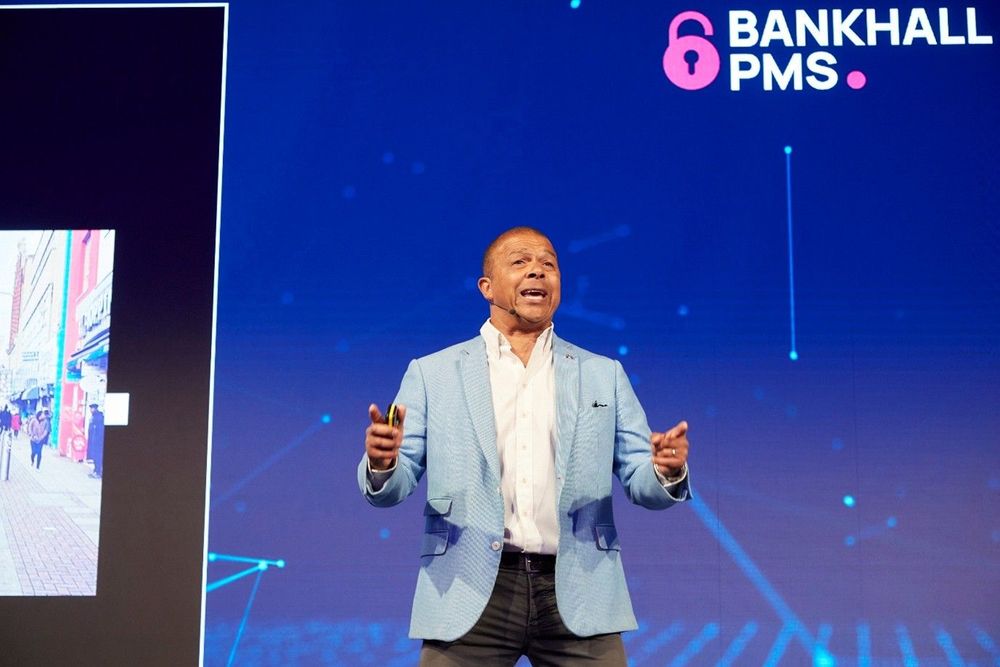
He shared the story of how he and his colleagues were some of the first boots on the ground at the commencement of the Iraq War in 2003, and in particular a mantra that has stuck with him throughout his career: “Train hard to fight easy”.
This has clear relevance for advisers and firms, who can operate with ease and confidence by knowing their craft intimately, and putting robust policies and processes in place.
Just before closing remarks, we celebrated by issuing a small number of awards to some of the many lender and providers who helped the day happen.
Your winners were:
Service Excellence – Kensington Mortgages
Outstanding Product Innovation – Barclays
Best Overall Relationship Support – Siobhan Moran, HSBC UK
Top Overall Wealth Provider – Aviva
Top Overall GI Provider – LV=
Top Overall Protection Provider – Zurich
Top Overall Lender – Halifax
Thank you to everyone who joined us in Birmingham; we’re already thinking about plans to get together again in 2027, so watch this space!
Content correct at the time of publication